Stay at the Château

Ancient and recent history of the Château de Tharoiseau


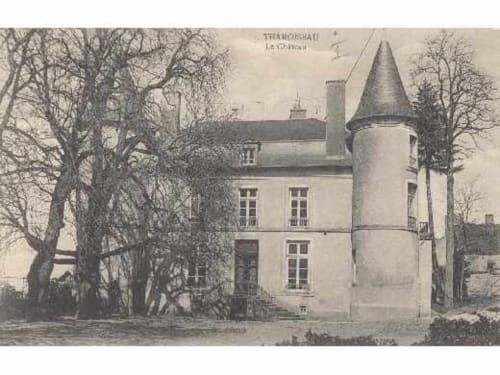
The history of Château de Tharoiseau is intertwined with that of France: patiently built and rebuilt several times throughout the Middle Ages and the Ancien Régime, it was partly destroyed during the French Revolution, before once again becoming a holiday haven in the 19th and 20th centuries.the history of the village of Tharoiseau, first mentioned in the Benedictine Annals in the 9th century, is the key to understanding the need for the château. Over the centuries, and particularly during the Hundred Years' War, the villagers suffered a great deal of looting, most often by mercenary bands formed after military confrontations.


There was an urgent need for lasting protection for the town. This was authorized by François I in 1537, with the erection of ramparts, rebuilt several times since, which now enclose the dwellings and the first castral building, the ancestor of today's château - the date on which the foundation stone was laid is not known.several lords succeeded one another until the arrival of the illustrious d'Estutt d'Assay family from Scotland in the 15th century, who settled in the Nivernais region and then in Berry, giving the château de Tharoiseau its true lustre from 1767 onwards.

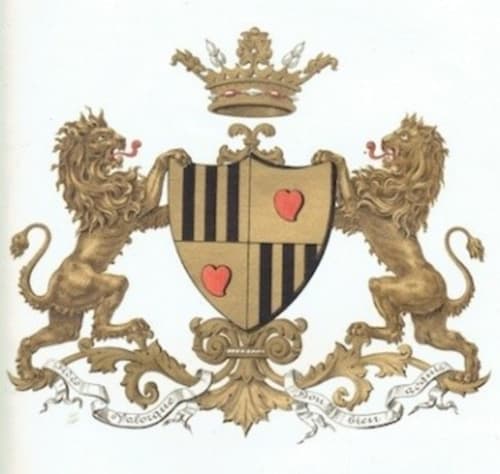
The image shows the coat of arms of the d'Estutt d'Assay family


The first Comte d'Estutt de Tharoiseau, Philibert-Marie d'Estutt, page to Marie-Antoinette who had the honor of holding the Queen's veil at Louis XVI's coronation ceremony in Reims in 1775, was very involved. During the French Revolution and until 1792, he looked after the villagers before being taken prisoner to the Conciergerie. The château was looted and partly destroyed.on his return, the Count became mayor and continued his work on behalf of the château and the village.


In 1847, his son Henri, Comte and mayor in his turn, undertook the reconstruction of the parts of the château damaged during the Revolution.


His sons Joseph-Marie Gustave and Charles-Henri continued the work, giving the château the appearance it has today, with its three turrets and outbuildings.


In 1910, the property was bought by the Millet family as their vacation home, then passed by marriage to the Desmarais family. They would occupy the château in the family's discretion throughout the 20th century.but after Madame Desmarais's death in 1997, the property remained uninhabited for over 20 years.

History of Château de Tharoiseau


The history of Château de Tharoiseau is intertwined with that of France: patiently built and rebuilt several times throughout the Middle Ages and the Ancien Régime, it was partly destroyed during the French Revolution, before once again becoming a holiday haven in the 19th and 20th centuries.
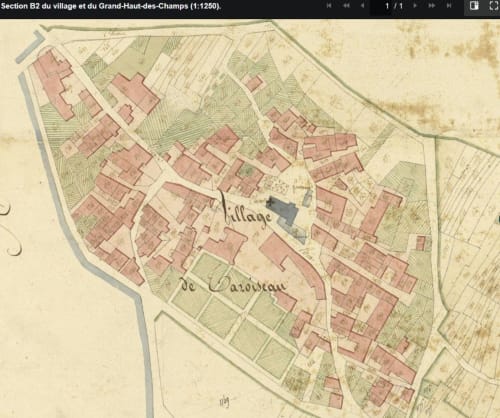
The history of the village of Tharoiseau, first mentioned in the Benedictine Annals in the 9th century, is the key to understanding the need for the château. Over the centuries, and particularly during the Hundred Years' War, the villagers suffered a great deal of looting, most often by mercenary bands formed after military confrontations.
The need arose for lasting protection for the village. This was authorized by François I in 1537, with the erection of ramparts, rebuilt several times since then, which now enclose the dwellings and the first castral building, the ancestor of today's château - the date on which the foundation stone was laid is not known.
Several lords succeeded one another until the arrival of the illustrious Scottish d'Estutt d'Assay family, who settled in the Nivernais and then Berry regions on their arrival from Scotland in the 15th century, and who, from 1767 onwards, gave the Château de Tharoiseau its true lustre.
The first Comte d'Estutt de Tharoiseau, Philibert-Marie d'Estutt, page to Marie-Antoinette, who had the honor of holding the Queen's veil at Louis XVI's coronation ceremony in Reims in 1775, was heavily involved. During the French Revolution and until 1792, he looked after the villagers before being taken prisoner to the Conciergerie. The château was looted and partly destroyed.
On his return, the Count became mayor and continued his work on behalf of the château and the village. In 1847, his son Henri, Comte and mayor in his turn, undertook the reconstruction of the parts of the château damaged during the Revolution. His sons Joseph-Marie Gustave and Charles-Henri continued the work, giving the château the appearance it has today, with its three turrets and outbuildings.
In 1910, the property was bought by the Millet family as their vacation home, before passing through marriage to the Desmarais family. They would occupy the château in the family's discretion throughout the 20th century.

But after Madame Desmarais's death in 1997, the château remained uninhabited for over 20 years.
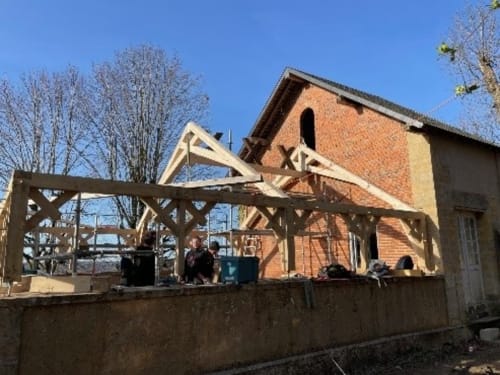
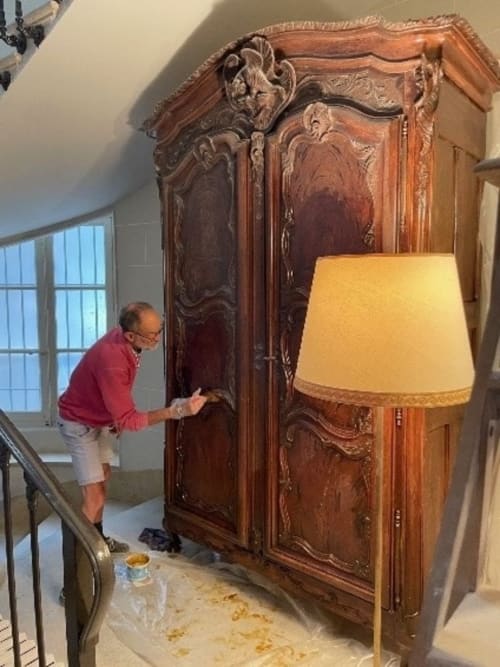
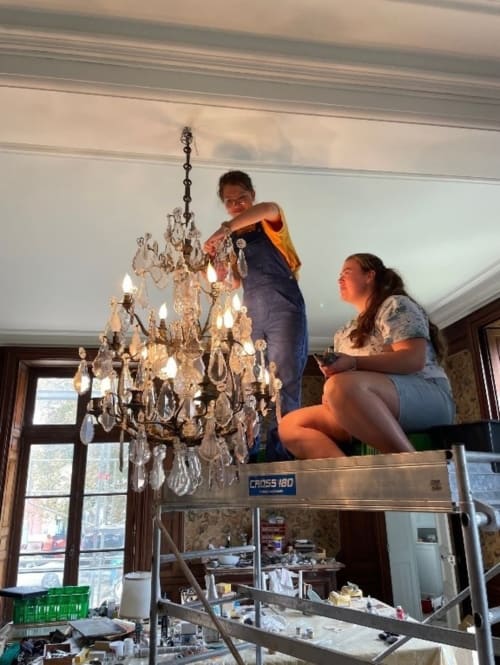
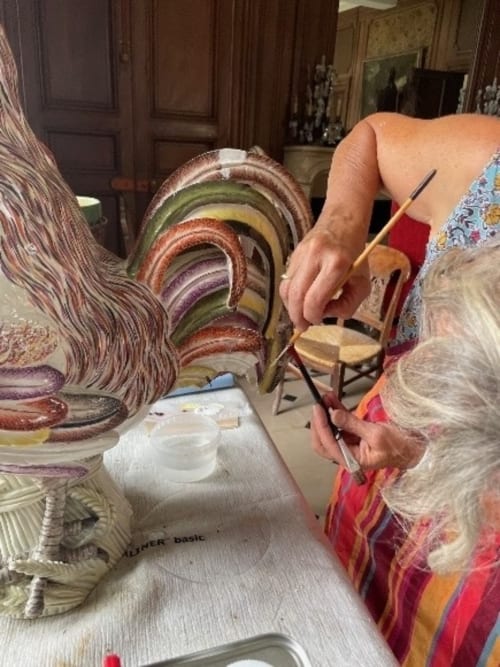
In 2022, the Chevallier family was able to purchase the château and decided to bring it back to life. Extensive restoration work was undertaken to bring the château up to today's standards and comfort levels, while preserving its soul and rich heritage. A winery and winemaking facilities were also created in the former stables, to accommodate Domaine Sainte Madeleine and its 14 ha of Burgundy (VEZELAY appellation). In 2026, the château, now equipped with all modern comforts, will be able to open its doors to the public and reconnect with the French 19th-century art of living inscribed within its walls.
a new life for the château


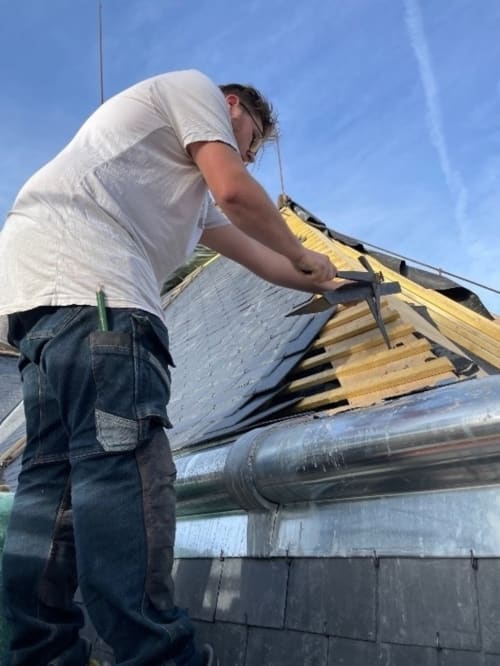
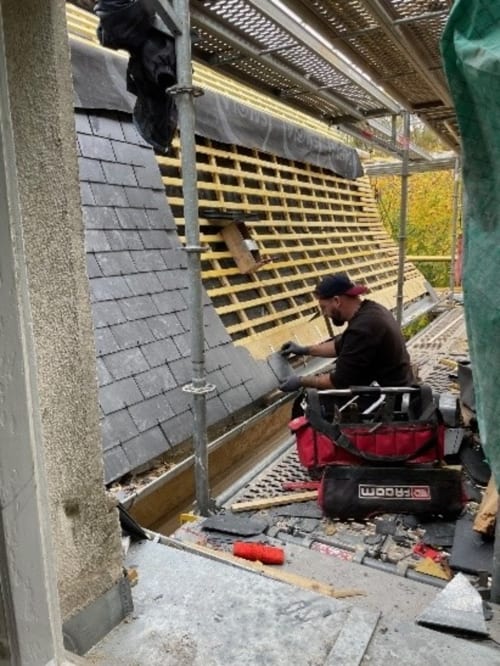
In 2022, the Chevallier family bought the château and decided to breathe new life into it. Extensive restoration work was undertaken to bring it up to today's standards and comfort levels, while preserving its soul and rich heritage.


A winery and wine-making facilities were also created in the former stables, to accommodate Domaine Sainte Madeleine and its 14 ha of Burgundy (VEZELAY appellation).


In 2026, the château, now equipped with all modern comforts, can open its doors to the public and reconnect with the French 19th-century art of living inscribed within its walls.


The end result is comfort combined with elegance, ready to be enjoyed.